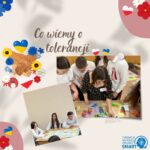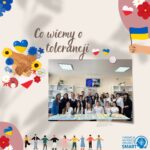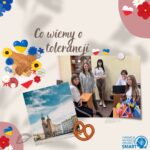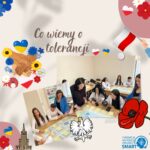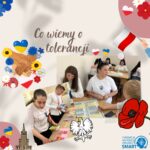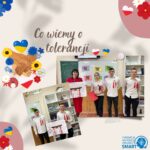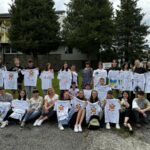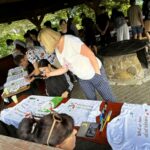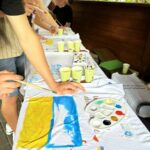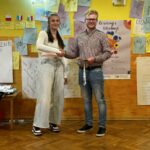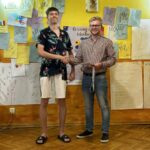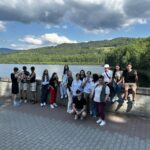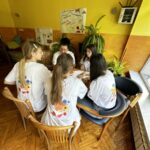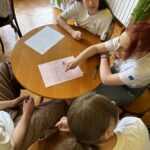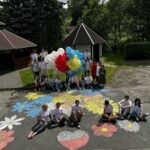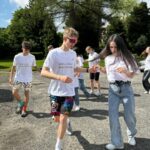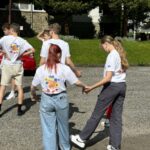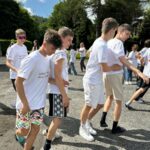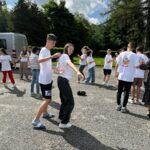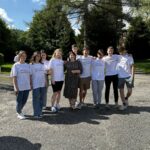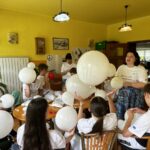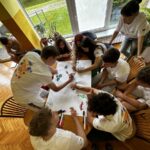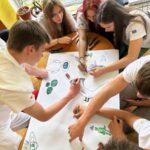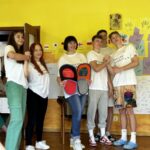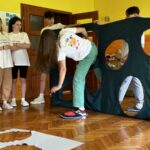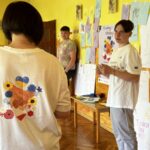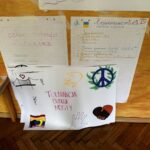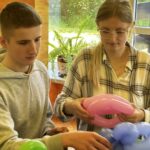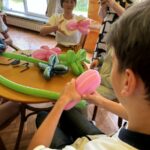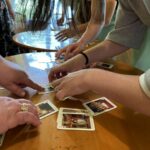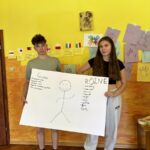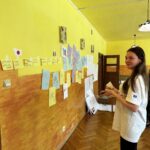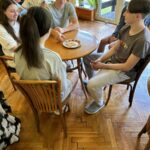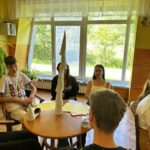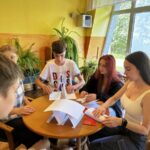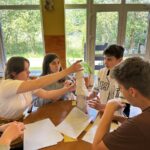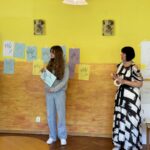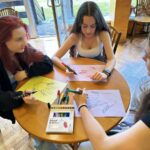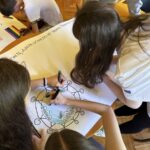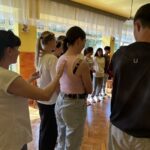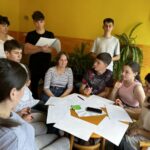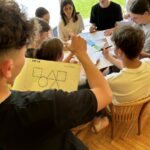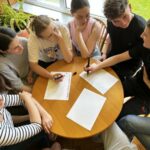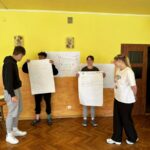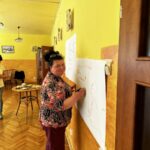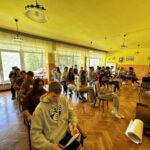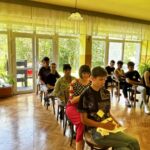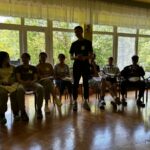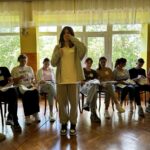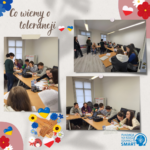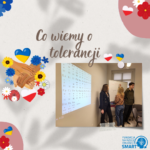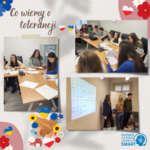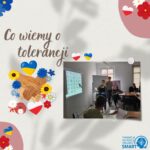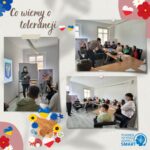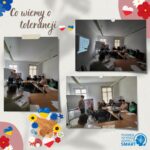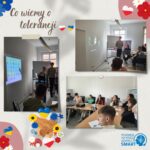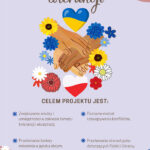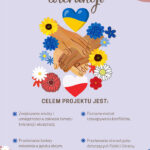


We are approaching the main point of the project!

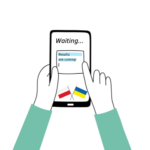
Soon, the two groups that have been participating in the project separately so far will meet together to realize the main point of the project together!

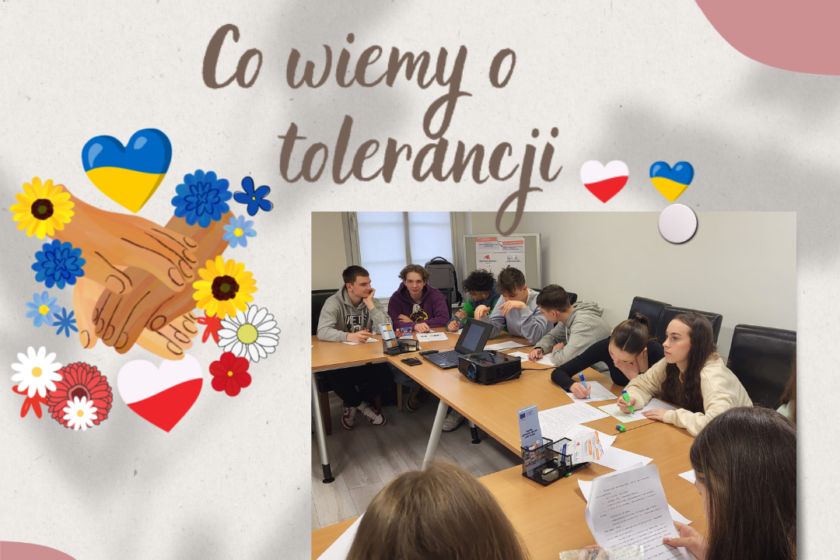
So far, groups of students from Poland and Ukraine met cyclically among their compatriots to take part in cultural and language classes about their close neighbors. Each group had 5 sessions of learning a foreign language, watched 2 documentaries and obtained a lot of interesting information about their neighbor.

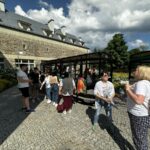
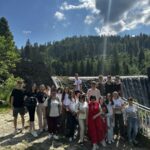
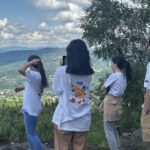
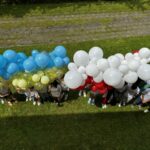
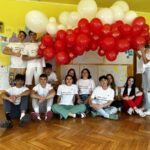
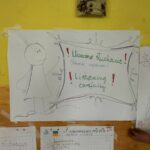
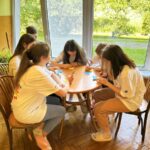
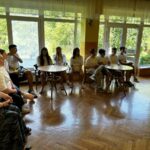
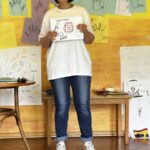
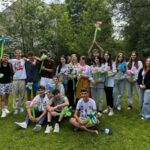
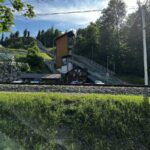
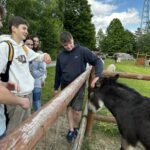
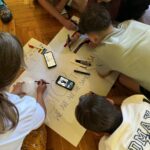
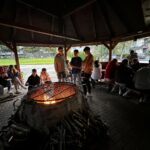
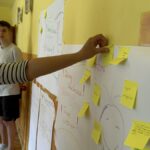
So the time has come to confront your knowledge, knowledge of the language and openness to other people and meet together at 5-day thematic workshops. During their stay in Wisła, young people participating in the project will be able to conduct, among others: integration classes, interpersonal communication training, self-presentation workshops and sports activities. Every day, young people from Poland and Ukraine will have the opportunity to learn a foreign language and culture.

We believe that the trip will allow young people to get to know each other better, to see what they have in common and what divides them, and to accept the differences between them. The time spent together is intended to encourage young people to conclude that being different is a natural state, and thanks to it, each of us is unique and one of a kind.

The project “What we know about tolerance” No. 2022-1-PL01-KA152-YOU-000067324 is implemented as part of the Erasmus+ program.

PL – traditional ukrainian dishes

This time, the meeting of participants as part of the project “What we know about tolerance” No. 2022-1-PL01-KA152-YOU-000067324 stimulated our appetites. Students learned about traditional Ukrainian dishes such as: Ukrainian borscht, stuffed potatoes, solianka, bogracz, Kiev style cutlet, various types of dumplings (pelmeni, chebureks or vareniki) and syrniki.

Ukrainian cuisine is extremely rich in different flavors due to the influence of Ukraine’s culture, religion and geographical location. Her dishes are characterized by simplicity and a characteristic way of preparation. On Ukrainian tables we find dishes based on flour, mushrooms, fish, vegetables, pickles, meat, cucumbers, and buckwheat. Potatoes, called the second bread, are the basis of most dishes.

PL – How does a Ukrainian teenager live and what is he interested in?

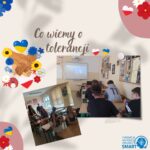
At the next meeting within the project “What we know about tolerance” No. 2022-1-PL01-KA152-YOU-000067324, its participants had the opportunity to meet their neighbors face to face. Many peers from Ukraine came to Poland as a result of the war and are currently students of the school attended by the students participating in the project. Taking advantage of this fact, we invited students from Ukraine to one of the meetings to be able to learn about Ukrainian youth from the most reliable source – that is, from themselves.

We talked about their interests, what music they listen to and what idols they have. It turned out that they have a lot in common with our Polish youth. This meeting was not only a large dose of knowledge, but also an opportunity to integrate students, which we are very happy about.

PL – 100 interesting facts about Ukraine

Thirsty for knowledge, students discovered what curiosities our eastern neighbor hides. At the meeting carried out as part of the project “What we know about tolerance” No. 2022-1-PL01-KA152-YOU-000067324, participants learned, among others:

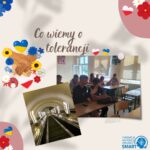
  • where is the deepest subway station located
  • where the third most visited McDonald’s is located
  • where is the longest cave
  • what is a trombit
  • what do ukrainian collector coins look like

The participants of the project were very interested in the curiosities presented and declared their willingness to learn more of them on their own.

PL – Film screening – Getting to know cultural heritage through film

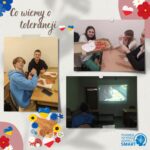
As part of the project “What do we know about tolerance” No. 2022-1-PL01-KA152-YOU-000067324, another meeting was held where Polish youth broadened their knowledge about our eastern neighbor. According to the assumptions of the project, one of the two planned film screenings took place during this meeting. The screening was accompanied by a snack, which took the form of everyone’s favorite pizza.

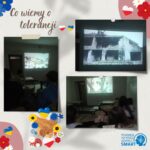
During the classes, the participants watched the documentary “Erase the nation” showing the damage to the cultural heritage of Ukraine made since February 24, 2022. by Russian troops. The film shows the remnants of monuments, e.g. in Lviv, Czernichów, Iwanków, Kiev or Kharkiv.

After watching the shocking film, the students discussed the events that have taken place since February 24 last year. Each of the participants approaches the topic of the war that is happening on our eastern border very emotionally and sympathizes with what the neighbors are forced to experience. A large part of the project participants, wanting to somehow contribute to supporting people from Ukraine, declared that they provide, among others, in collecting clothes, medicines or other necessities.

PL – Ukrainian melodies

The next classes of the project “What do we know about tolerance” No. 2022-1-PL01-KA152-YOU-000067324 implemented as part of the Erasmus+ program took on a musical character.

The participants of the project met again with the professor and students from Ukraine, who played the role of lecturers and with great commitment passed on more interesting facts about their country. The conducted classes were devoted to a part of Ukrainian culture, i.e. music. The students eagerly told the youth about solemn Ukrainian songs, as well as about the songs that today’s Ukrainian youth listens to, and about songs that are timeless for them. Each story was accompanied, of course, by listening to a given song by everyone.
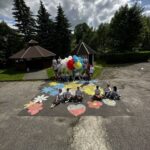
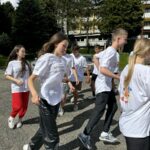
The participants enjoyed the music classes very much, and some of them, leaving the room, continued to hum the Ukrainian melody they had heard earlier.
PL – Tourist attractions of Ukraine

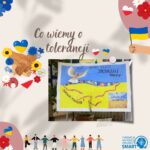
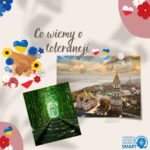
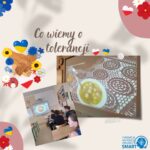
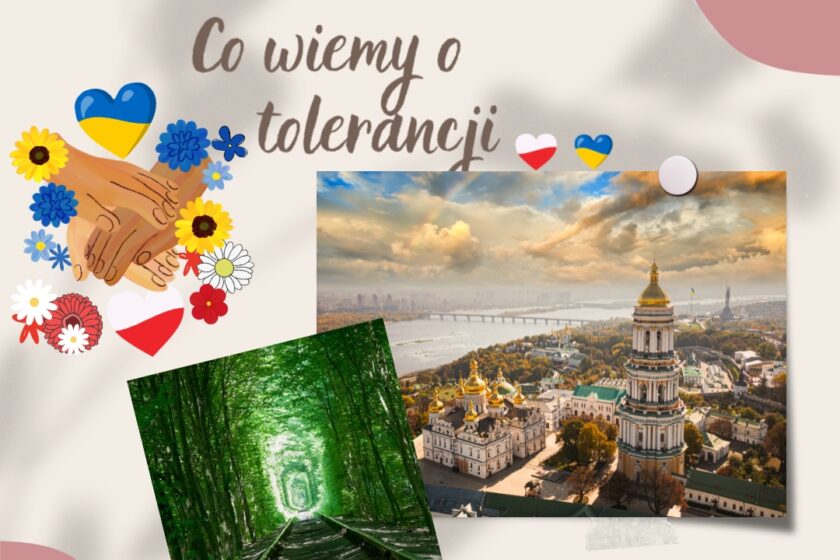
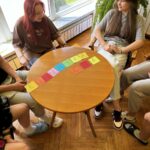
Another meeting within the project “What we know about tolerance” No. 2022-1-PL01-KA152-YOU-000067324 was a journey around Ukraine. Unfortunately, due to the current situation, it was only a finger trip on the map. We visited Lviv, Kiev, Odessa and Kamianets-Podilskyi. We got to know the Romantic Tunnel of Love, the Khotyn Castle and the Karadag Nature Reserve, i.e. tourist pearls that could be seen so far in our eastern neighbors.

The young people taking part in the meeting were impressed by so many beautiful places that Ukraine hides. Many of the students plan to visit the presented places in the future, if possible in the future.

PL – We write in Ukrainian

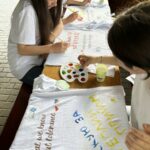
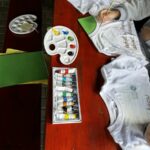
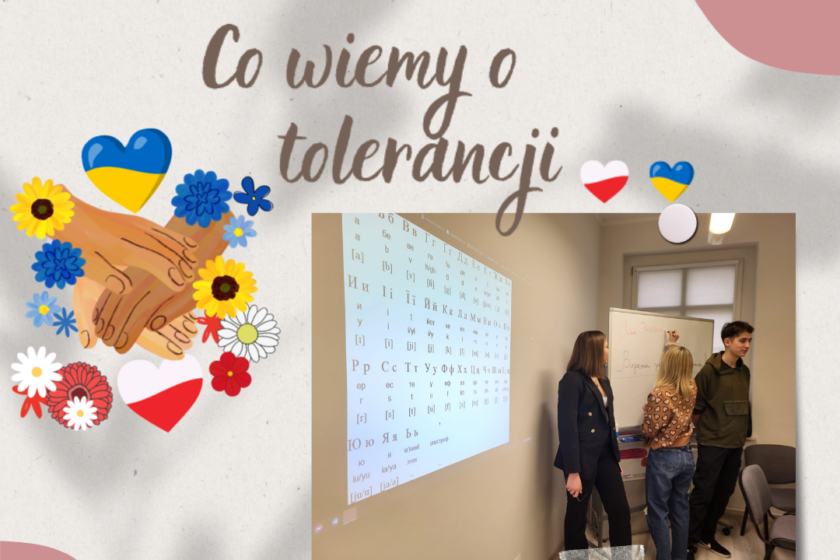
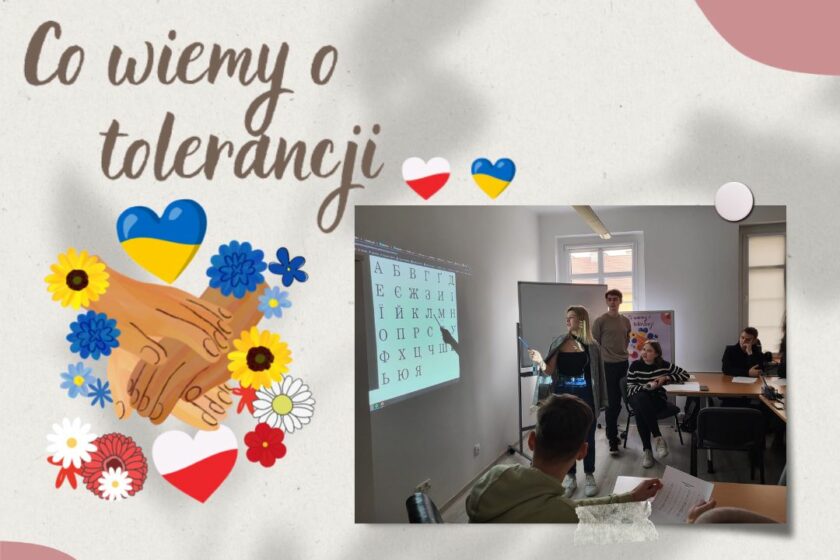
On March 9, participants of the project “What do we know about tolerance” No. 2022-1-PL01-KA152-YOU-000067324 implemented as part of the Erasmus+ program continued their adventure of learning Ukrainian. The young people, with a little help from the teachers, repeated the knowledge about the Ukrainian alphabet acquired during the first classes.

The young people were satisfied with the activities carried out, with particular enthusiasm they joined the task summarizing the activities. Each of the participants received sentences in Polish, which they then had to translate into Ukrainian using the received alphabet. The young people were excited about the task and the fact that after a short time of study they are able to write something in Ukrainian.

Students eager to absorb more knowledge are looking forward to the next classes.

PL – Ukraine – so close but still unknown

Our participants who have already started learning the Ukrainian language will get to know Ukraine from an unknown side. It turns out that even though Ukraine is a close neighbor of Poland, as Poles we do not know much about this country. Students participating in the project “What we know about tolerance” No. 2022-1-PL01-KA152-YOU-000067324 will quickly change this and will be able to show off the knowledge they have gained with their loved ones.

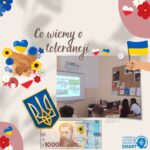
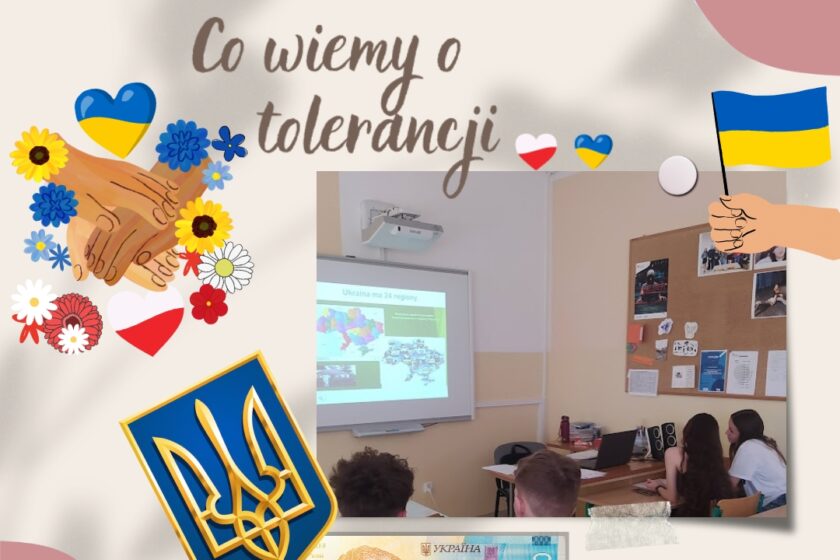
At the meeting carried out as part of the project, students were presented with a presentation with the most important information about Ukraine: its location, emblem, flag, anthem and monetary unit.

All participants were very interested in the neighboring country and admitted that they would like to learn more about it.

PL – Jпривіт – We say hello to the Ukrainian language

With the launch of the project, meetings aimed at raising the level of tolerance in young people began. The first classes were held for a Polish group of participants and were devoted to learning the Ukrainian language. In addition to the professor conducting the classes, students from Ukraine also participated in the meeting, thanks to which the students participating in the lesson could hear the language from real native speakers. Along with learning basic phrases and the alphabet, the young people got to know a bit of Ukraine’s geography and culture. Each of the three students told the audience about their city, interests or favorite music.

The young people showed great interest in the activities. The meetings are conducted in a friendly atmosphere, which is conducive to deepening the relationship between the participants. Curious about a new language, young people are looking forward to future classes.

The project “What do we know about tolerance” No. 2022-1-PL01-KA152-YOU-000067324 is implemented as part of the Erasmus+ program.