PL – We write in Ukrainian

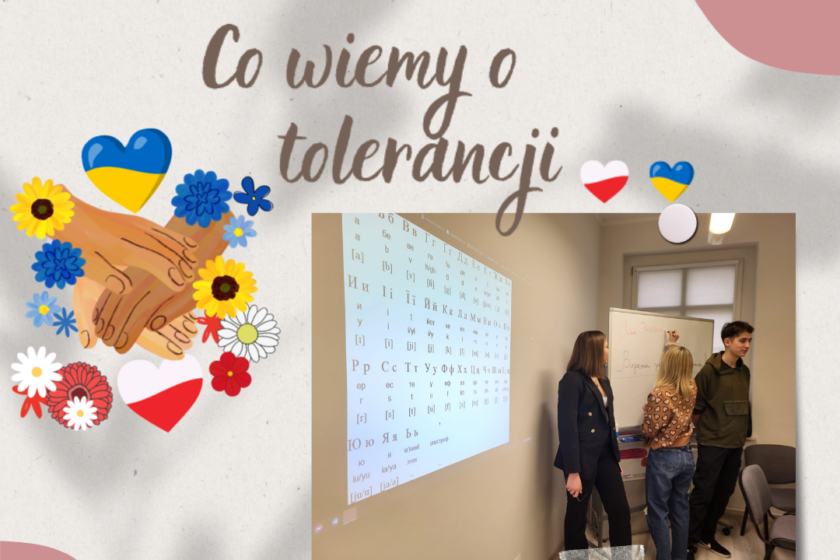
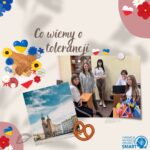
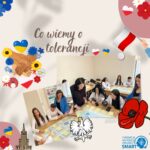
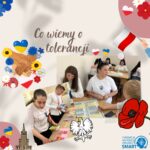
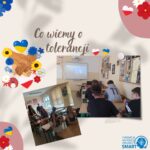
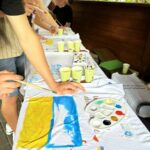
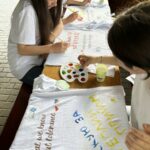
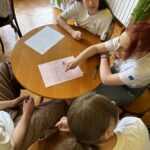
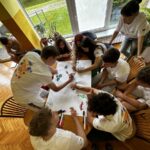
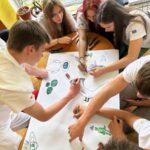
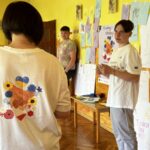
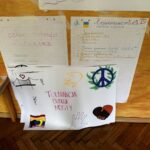
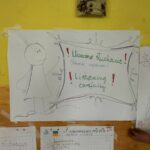
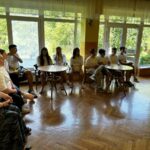
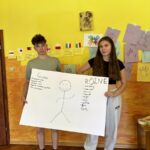
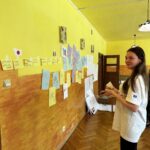
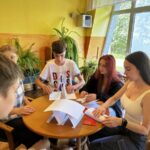
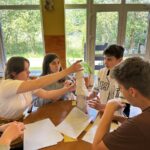
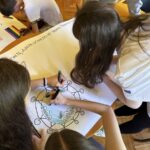
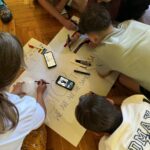
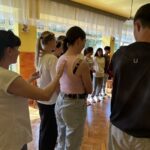
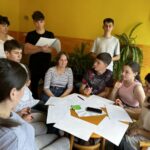
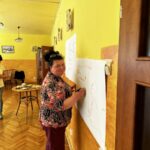
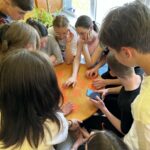
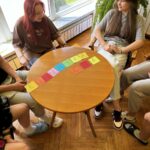
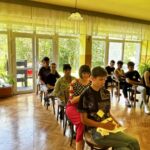
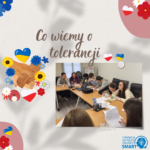
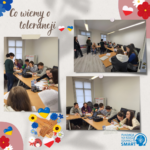
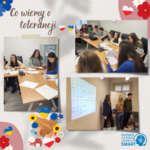
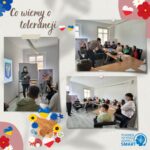
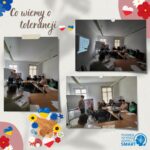
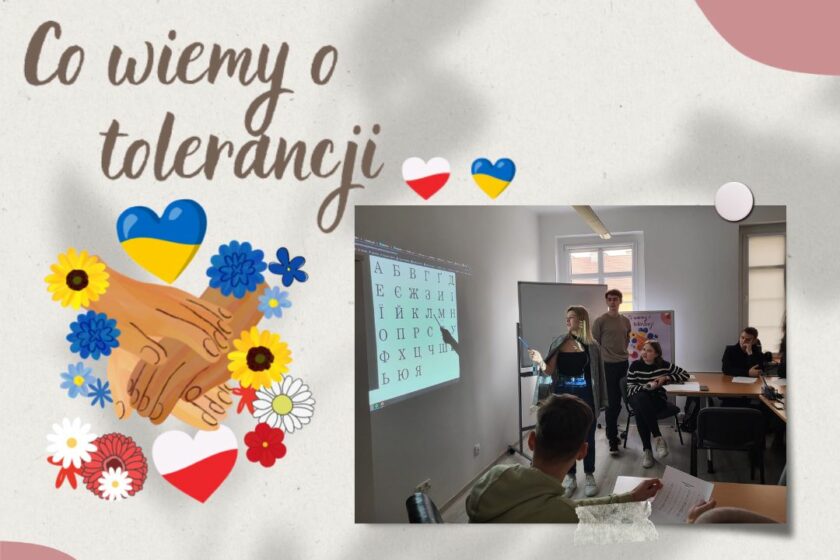
On March 9, participants of the project “What do we know about tolerance” No. 2022-1-PL01-KA152-YOU-000067324 implemented as part of the Erasmus+ program continued their adventure of learning Ukrainian. The young people, with a little help from the teachers, repeated the knowledge about the Ukrainian alphabet acquired during the first classes.

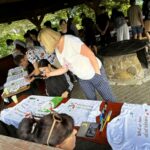
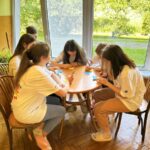
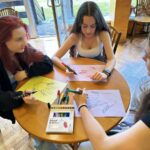
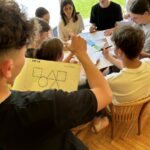
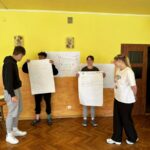
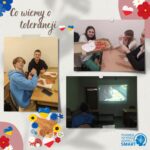
The young people were satisfied with the activities carried out, with particular enthusiasm they joined the task summarizing the activities. Each of the participants received sentences in Polish, which they then had to translate into Ukrainian using the received alphabet. The young people were excited about the task and the fact that after a short time of study they are able to write something in Ukrainian.

Students eager to absorb more knowledge are looking forward to the next classes.

PL – Ukraine – so close but still unknown

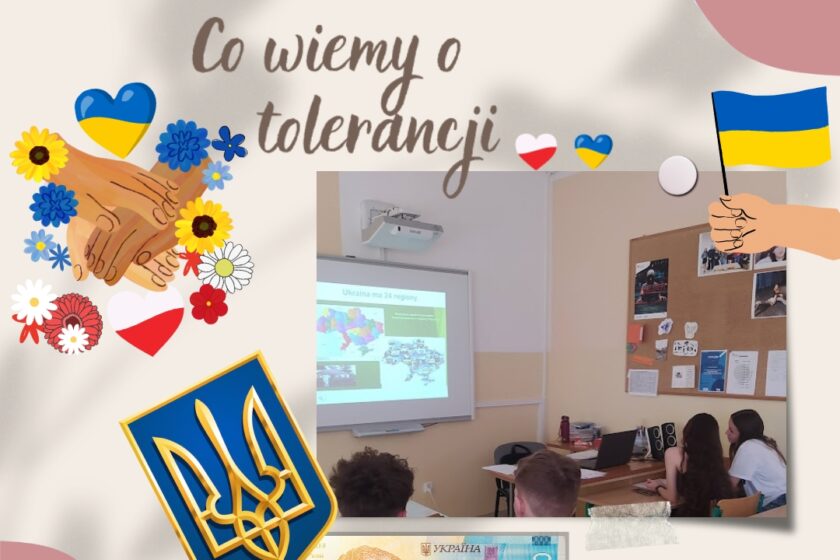
Our participants who have already started learning the Ukrainian language will get to know Ukraine from an unknown side. It turns out that even though Ukraine is a close neighbor of Poland, as Poles we do not know much about this country. Students participating in the project “What we know about tolerance” No. 2022-1-PL01-KA152-YOU-000067324 will quickly change this and will be able to show off the knowledge they have gained with their loved ones.
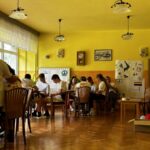
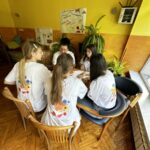
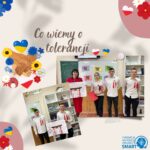
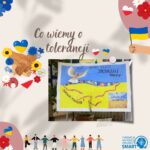
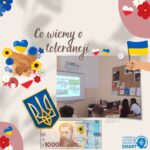
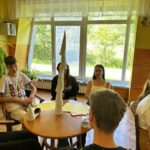
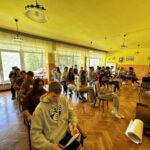
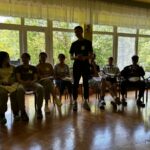
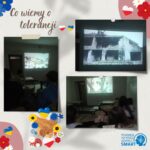
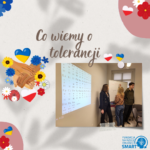
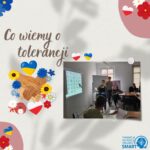
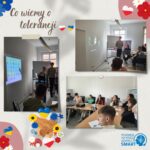
At the meeting carried out as part of the project, students were presented with a presentation with the most important information about Ukraine: its location, emblem, flag, anthem and monetary unit.

All participants were very interested in the neighboring country and admitted that they would like to learn more about it.

PL – Jпривіт – We say hello to the Ukrainian language

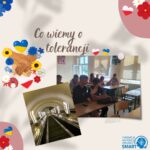
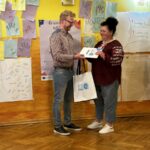
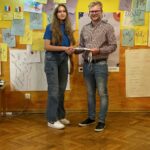
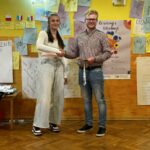
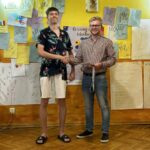
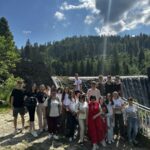
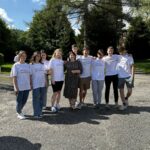
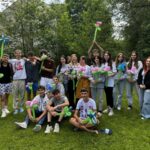
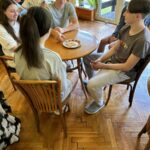
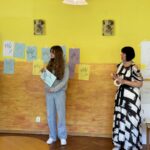
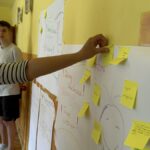
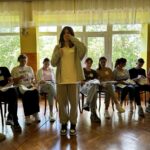
With the launch of the project, meetings aimed at raising the level of tolerance in young people began. The first classes were held for a Polish group of participants and were devoted to learning the Ukrainian language. In addition to the professor conducting the classes, students from Ukraine also participated in the meeting, thanks to which the students participating in the lesson could hear the language from real native speakers. Along with learning basic phrases and the alphabet, the young people got to know a bit of Ukraine’s geography and culture. Each of the three students told the audience about their city, interests or favorite music.

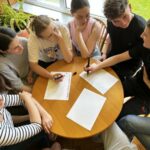
The young people showed great interest in the activities. The meetings are conducted in a friendly atmosphere, which is conducive to deepening the relationship between the participants. Curious about a new language, young people are looking forward to future classes.

The project “What do we know about tolerance” No. 2022-1-PL01-KA152-YOU-000067324 is implemented as part of the Erasmus+ program.

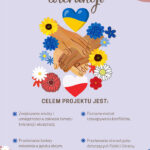
Project “What we know about tolerance”

The project “What we know about tolerance” No. 2022-1-PL01-KA152-YOU-000067324 is implemented as part of the Erasmus+ program.

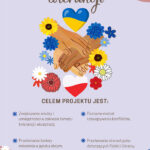
The main theme of the project is tolerance and understanding differences, which leads to acceptance. The title of the project refers to the attitudes of openness to other people and tolerance.

The project involves two groups of students – from Poland and Ukraine, aged 15-25.

During the first months of the project, classes for cultural and linguistic preparation will be organized for both groups.
For the Polish group:
• 2 film screenings – documentary, historical films about Ukraine;
• Ukrainian language learning evening – 5 sessions;
• Leading the task force “What do we know about Ukraine?” – 5 sessions.

Similarly, for the Ukrainian group, classes will be conducted to raise knowledge about Poland.

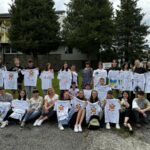
After the above-mentioned meetings, the main point of the project will be implemented – the departure of both groups to conduct thematic workshops.

During the 5-day stay, we plan, among others, the following activities:
1. Interpersonal communication training. Verbal and non-verbal speech, explaining why interpersonal communication is very important. What are the communication barriers, and what do they result from?
and what are their consequences.
2. Workshops – Am I in the virtual world – am I in the real world? Self-presentation skills. In what situation does he feel better and why – in real life or online? Non-verbal communication – helping or hindering. What’s more reliable?
3. Discussion about tolerance. Are we tolerant nations, Differences between tolerance
and indifference.
4. Workshops – making infographics.
5. Sports activities.

The purpose of all activities is to get to know each other better and understand that differences do not mean that we are better/worse. The most important thing is to understand that otherness is a natural state.